Arizona’s Superintendent of Public Instruction Tom Horne and other school choice advocates are expressing outrage over what they say were “reckless” news reports of widespread purchasing fraud in Arizona’s Empowerment Scholarship Account program.
The Arizona Department of Education this week released the results of a statistical analysis by a Stanford PhD, which found that only about 2% of ESA dollars are being spent on items that aren’t allowed under program rules contrary to the 20% figure that the outlet reported to constitute ESA fraud.
Nice "analysis," @CraigHarrisNews.
Don't quit your day job. Better yet, do! 😂 pic.twitter.com/rLJrIqSlBy
— Matthew Nielsen (@matthewnielsen) March 13, 2026
“The truth is, Arizona’s ESA program is “one of the most efficient and accountable programs serving Arizona taxpayers,” said Matt Beienburg, the Goldwater Institute’s Director of Education Policy. “The misuse of ESA dollars is far below that of a variety of government programs, including Medicaid (7.4%), food stamps (9.3%), and unemployment insurance (14.4%), according to the Department of Education.”
According to official data from the Arizona Department of Education (ADE), the rate of unallowed spending in the program is just 2%, meaning 98% of ESA funds are used as intended.
Even more impressively, ADE reports that “actual fraud or egregious purchases” made through the…
— Goldwater Institute (@GoldwaterInst) March 12, 2026
Horne released the following statement:
About 2.0% of dollars spent by ESA account holders is for items that are unallowable under program rules, according to a precise study completed by a Stanford PhD.
In addition, actual fraud or egregious purchases are at 0.3%, according to the same study.
This is far below the rate of misuse at a variety of programs such as Medicaid (7.4%), food stamps (9.3%), and unemployment insurance (14.4%).
The submission of a purchase that is deemed unallowable does not constitute fraud. Most are innocent mistakes, such as an error in a form that must be resubmitted, or educational items that are not on the allowable list but that the user could have in good faith believed were permitted. Some examples would be backpacks, lunch boxes and water bottles.
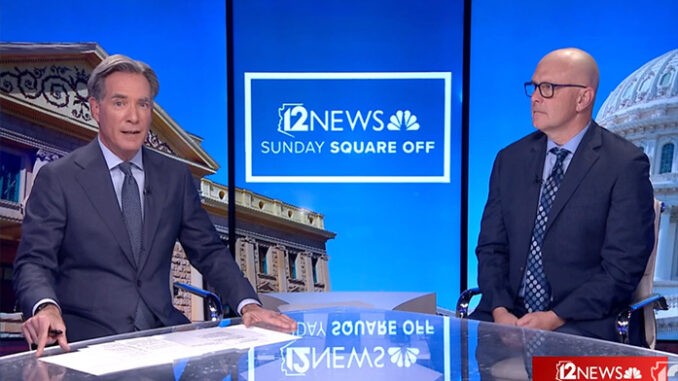
A ridiculous figure of 20% fraud has been circulating concerning ESA purchases which resulted from a total misinterpretation of data that we provided to Channel 12. The 20% figure represented program participants that ADE had selected for risk-based auditing. It had nothing to do with fraud.
Action is taken to recover or collect funds or refer to law enforcement, if necessary. To date, more than $1.2 million has been recovered in this process.
Continued use of the 20% fraud allegation is an outrageous misrepresentation to the public that must stop.”
Of course the propagandist pushers & supporters of Gov’t indoctrination public schools have to lie about their most prolific competition! I thank God everyday for ESA! Signed a grateful homeschool grandma!