
While drug overdose deaths have declined across much of the United States, Arizona has moved in the opposite direction under Governor Katie Hobbs, with overdose death rates continuing to rise.
Arizona’s drug overdose death rate is now nearly twice the national average, and the state is reportedly the only one in the nation where overdose deaths remain above their post-COVID peak. In another troubling development, Arizona’s overdose death rate surpassed that of West Virginia last year, a state long considered the epicenter of America’s opioid crisis.
Several factors may be contributing to Arizona’s worsening drug crisis, including changes in the illicit drug supply, widespread methamphetamine use, high summer temperatures, and the growing challenges facing the state’s homeless population.
One of the most significant developments has been the shift from counterfeit prescription pills to powdered fentanyl. Unlike counterfeit pills, powdered fentanyl can vary dramatically in potency, making it particularly unpredictable and deadly. While much of the country experienced this transition several years ago, Arizona is now confronting its devastating consequences.
Arizona’s summer heat makes an already dangerous situation even worse.
According to data from the Maricopa County Medical Examiner’s Office, drug-related deaths increased by 40% on days when Phoenix temperatures exceeded 110 degrees. When temperatures reached 115 degrees, overdose deaths nearly doubled. In 2025, more than half of Maricopa County’s heat-related deaths involved drugs.
The widespread use of methamphetamine further compounds the danger. Methamphetamine increases heart rate and body temperature, creating potentially fatal conditions when combined with extreme heat, dehydration, and sleep deprivation.
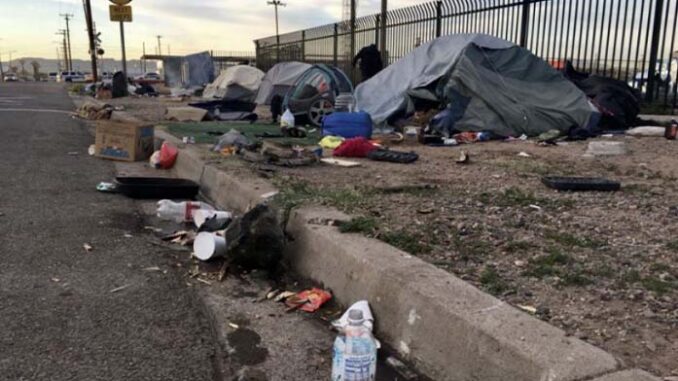
Arizona’s homeless population faces particularly severe risks. Individuals living on the streets often have limited access to air-conditioned shelter, adequate hydration, and medical care. Some rely on methamphetamine to remain awake and alert, further increasing their vulnerability to heat-related illness and overdose.
The displacement of homeless encampments has created additional concerns, as individuals may be forced into unfamiliar areas where they encounter new and potentially more dangerous drug supplies. Advocates also warn that a new city ordinance restricting the distribution of food and medical services in public parks could further endanger vulnerable populations.
While the rest of the nation is making progress in reducing overdose deaths, Arizona continues to struggle with a deadly and worsening crisis. The combination of increasingly dangerous drugs, extreme temperatures, and vulnerable populations presents a serious public health challenge that demands urgent attention from state and local leaders.
For Governor Katie Hobbs and Arizona policymakers, the question is how to reverse this troubling trend and prevent more Arizona families from losing loved ones to drug overdoses.
Be the first to comment