
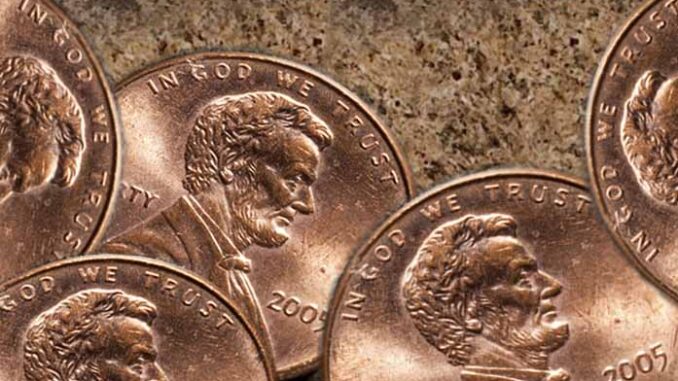
Since inflation has been a major concern over recent months, the lower June inflation numbers, released July 14, were met with a bit of jubilation by consumers, political leaders, and equity markets.
At 3.5, the June overall inflation rate is considerably lower than the May rate of 4.2. The core inflation rate, which excludes more volatile items like food and energy, also reduced, from 2.9 to 2.6.
It is a well-known fact that the recent increase in inflation rates has been the result of higher energy costs associated with the war in Iran. The opening of oil shipping lanes resulting from the cease fire has led to the fulfilment of President Trump’s prediction that, once the war is resolved, inflation rates would “drop like a rock.”
2026 INFLATION NUMBERS
| JAN | FEB | MAR | APR | MAY | JUN | |
| OVERALL | 2.4 | 2.4 | 3.3 | 3.8 | 4.2 | 3.5 |
| CORE | 2.5 | 2.5 | 2.6 | 2.8 | 2.9 | 2.6 |
Our central bank, the Federal Reserve System, has a dual mandate of keeping full employment, which generally entails keeping unemployment rate at around 4%, and keeping the rate of inflation low, which typically means a 2% rate.
A major tool that the Federal Reserve System (FED) uses to stimulate or cool off economic activity is the setting of interest rates. During the last months of Jerome Powell’s term as Chairman of the FED, there was a lot of disagreement between him and President Trump. The president was pushing for lower interest rates to stimulate the economy, and Powell opposed him because inflation was still far from the ideal 2%.
The lower inflation rate in June, along with having a new FED Chairman in Kevin Warsh, may give rise to renewed hope of having at least one interest rate lowering before the end of the year. This may be particularly true if the July numbers show a continuation of the June inflation decline.
However, that does not seem likely to happen because of the current status of the Iran conflict. The rulers in Iran are not about to remain idle while Trump enjoys significant political and economic victories resulting from lower energy costs and lower inflation rates associated with them. They have seen to it that hostilities are resumed, with the strong possibility that oil prices will escalate and drive inflation up again, in time to affect the midterm elections negatively for Trump and his party.
The uneasiness about the economy, created by the specter of higher energy costs and the resultant rise in inflation, is beginning to show itself. One sign of this is what is happening with the equity markets. It appears that they are reverting, at least partially, to the pre-cease-fire negativity.
Major index performance – Week ending July 17
| INDEX | % CHANGE |
| DOW JONES | DOWN 0.48 % |
| S&P 500 | DOWN 0.86 % |
| NASDAQ | DOWN 1.73 % |
We will know more about the long-term direction of inflation when we have the July numbers. That will not happen until August 12, after the next meeting of the FED’s Federal Open Market Committee (FMOC), which will take place July 28-29.
It appears that the consensus among economic observers is that the FMOC will not take any action regarding interest rates at the July meeting, but will wait until later, when there will be more data available.
Temporary price increases != “inflation”. To paraphrase economist Milton Friedman, the one and only cause of inflation – that is, the intentional devaluation of money – is the federal government printing press. Not war. Not unions. Not imports. Inflation (of the money supply) doesn’t care who is in the hot seat if the spending and borrowing policies remain unchanged.
I’m glad that we have an America-first cheerleader in the Oval Office, but unless productivity suddenly and drastically shoots up without additional spending, or spending drops significantly, the value of the dollar will keep falling regardless of who is driving the train.